A dog bite can happen in an instant, and the injuries left behind can take months to heal. Many people underestimate dogs considered mild-mannered or family-friendly, and Siberian Huskies are a prime example. They rank among the most popular breeds in Indiana, yet questions about their physical capability, temperament, and legal implications remain poorly understood. At Blackburn Romey, we represent Hoosiers injured in dog attacks, and understanding what husky bite force actually means, both physically and legally, helps injured individuals recognize when they have a valid claim.

Our team has combined decades of experience handling all types of injury cases, both with insurance companies and in civil court. We bring all that we know about injury law to the table in each and every case.

We have many satisfied clients who were able to move forward with their lives in a better financial position following a serious accident and injuries. We can discuss our past results with you during your free consultation.

We are dedicated to our clients and communities in Indiana. Our goal is to provide comprehensive and compassionate legal services to injured and grieving individuals. We work hard to obtain the money you need so you can focus on recovery instead of worrying about medical bills, insurance claims, or lawsuits. Learn more on our Mission and Values page.
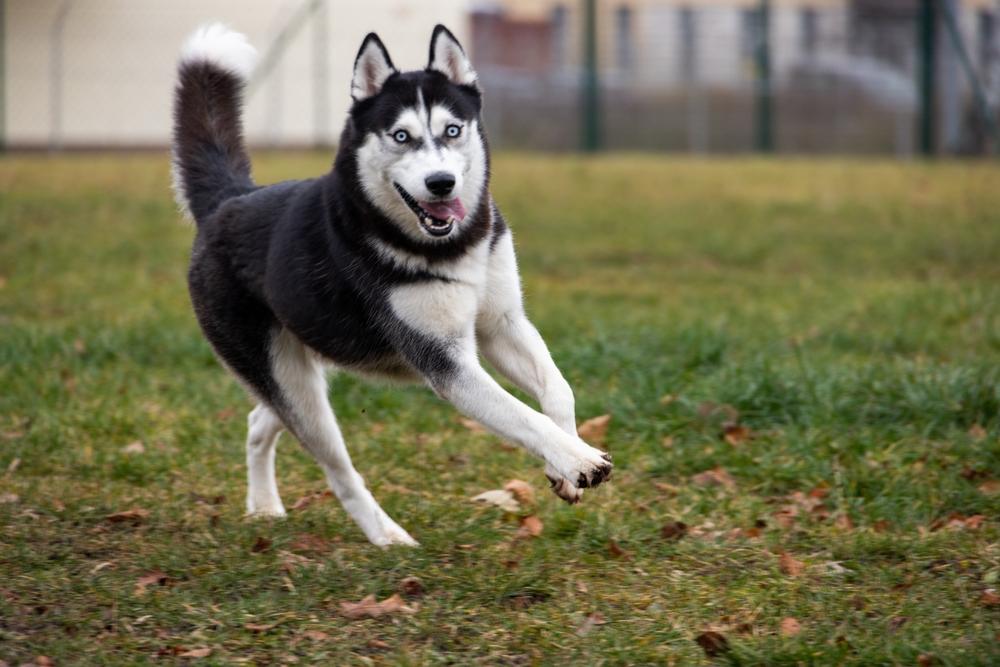
A Siberian Husky bite force is measured at approximately 320 PSI (pounds per square inch). That figure rivals the Rottweiler and stands well above the estimated 130 PSI threshold associated with breaking a human arm bone, meaning a single unguarded bite can produce fractures, deep tissue damage, and lasting nerve injury.
PSI describes the pressure a jaw can generate, not the likelihood a dog will bite. According to the Service Dog Training School’s comparative breed data, Siberian Huskies are widely regarded as playful and energetic rather than aggressive, and their bite force is generally not considered a behavioral concern by trainers. What is not often considered is that if a Husky bites without restraint, the physical consequences are serious. Lacerations, puncture wounds, fractured fingers, and infection risk are all realistic outcomes, and injuries to children can be especially severe.
Bite force varies considerably across breeds. Huskies fall in a mid-to-upper range among commonly owned dogs:
A Husky bite delivers roughly twice the force of a typical dog. When injuries are severe, that force informs how courts and insurers evaluate medical causation.
Bite force is one variable in a larger picture. A dog that bites with 150 PSI but strikes repeatedly or targets a child’s face causes profound injury regardless of a lower rating. Injury severity depends on force applied, bite location, the victim’s age and size, number of bites, and speed of medical intervention. From a legal standpoint, bite force data supports the damages analysis by connecting the animal’s physical capability to documented injuries, including medical costs, lost income, and long-term care needs.
Indiana does not categorize Siberian Huskies as a legally designated dangerous breed. No statewide statute singles out Huskies or places breed-specific restrictions on ownership. Whether any individual dog is deemed dangerous depends on documented behavior, prior bite history, and local ordinances that vary by municipality. The more important question is not what breed the dog is. It is what the owner did or failed to do.
Huskies are high-energy working dogs bred for endurance and pack activity. They are not inherently aggressive toward people. Problems arise from mismanagement rather than genetics. A Husky confined without adequate exercise accumulates stress that can produce reactive behavior. One deprived of early socialization may respond to strangers with anxiety rather than confidence. The breed’s prey drive can also escalate around small children who run or make sudden movements, not out of malice, but because the instinct was never redirected by a responsible owner. None of this makes the breed inherently dangerous; it makes responsible ownership essential.
German Shepherds, Pit Bulls, and Rottweilers consistently appear in severe bite incident data, each carrying force comparable to or exceeding a Husky bite force. But breed identity alone does not determine liability in Indiana. A Rottweiler owned by an attentive handler with proper training is not the same legal risk as a Husky allowed to roam unsupervised. What connects serious bite incidents across all breeds is a pattern of owner failure: inadequate restraint, no training history, prior warnings ignored, and children left unsupervised with the animal.
When a Husky bites, the circumstances typically reflect a breakdown in ownership responsibility rather than random aggression. Common contributing factors include lack of socialization, inadequate exercise, absent physical restraint, unintentional provocation by young children, and owner inattention at the critical moment of contact.
Every preventable dog bite traces back to a decision an owner made, or failed to make, before the injury occurred. Indiana law reflects that principle directly. Under Indiana Code 15-20-1-3, a dog owner is liable for all damages suffered by a person bitten without provocation while lawfully present at the location. Liability attaches even when the dog has no prior history of aggression and even when the owner claims no knowledge of dangerous behavior. An owner cannot escape responsibility simply by insisting the dog never bit anyone before.
Related reading: Indiana Leash Laws: What You Need To Know
Seek medical evaluation immediately, even when wounds appear minor. Puncture wounds carry a high infection risk, and early medical records establish the link between the attack and the injury. Beyond treatment, document the scene with photographs, identify the dog’s owner, and file a report with local animal control. Avoid giving recorded statements to insurance adjusters before speaking with an attorney. Indiana’s two-year statute of limitations for personal injury claims gives victims time to act, but evidence, including prior complaints and witness accounts, disappears quickly.
Please read: Can Emotional Trauma Be Part of a Dog Bite Claim in Indiana?
Indiana law gives bite victims a clear path to hold negligent owners accountable, regardless of breed. Blackburn Romey has represented injured Hoosiers across Indiana, fighting for the compensation they deserve while they focus on recovery. Call us at (260) 422-4400 to review your situation, explain your options, and stand in your corner from day one.
Blackburn Romey founding partner Tom Blackburn graduated with honors receiving a degree from Indiana University at the Robert H. McKinney School of Law. Initiating his legal career in 1977, he has been active in practicing law and currently serves as a member of the Indiana State Bar Association on the Ethics and Advertising Committees, the American Bar Association, the American Association for Justice, as a board member at the Indiana Trial Lawyers Association, and as an appointed member of the Executive Committee for the State of Indiana for the National Trial Lawyers Association.

This page has been written, edited, and reviewed by a team of legal writers following our comprehensive editorial guidelines. This page was approved by Founding Partner, Tom Blackburn, who has more than 47 years of legal experience, including over 39 years specializing as a personal injury attorney.

