Residents and visitors across St. Joseph County rely on rideshare services for efficient transportation, especially around the University of Notre Dame, downtown South Bend, and the US-20 Bypass. Collisions involving Uber vehicles can create significant confusion because passengers, drivers, and other motorists often wonder which insurance policy applies and how Indiana’s fault rules influence compensation. Anyone searching for a South Bend Uber Accident Lawyer looks for direct answers, trustworthy legal guidance, and clarity on next steps after a serious rideshare crash. Uber collisions usually differ significantly from standard traffic incidents, so immediate legal support helps protect evidence, secure insurance information, and preserve claims from the earliest stages. Uber accidents often involve multiple insurers, overlapping policies, and competing narratives regarding driver activity at the moment of impact. These complications justify early analysis, thorough documentation, and strong representation. At Blackburn Romey, we provide this level of service, shaped by years of personal injury advocacy in Indiana, and we maintain this commitment to injured clients throughout the region.
Uber collisions often involve a complex mix of personal auto policies, platform-backed liability protection, and data generated through Uber’s system. Injured individuals often face uncertainty about which insurer will cover medical expenses, lost wages, and the long-term effects on their everyday lives, which is why guidance from a South Bend personal injury lawyer can be critical early in the process.. Our attorneys review how Indiana’s modified comparative fault rule affects recovery, as compensation relies on each party’s percentage of responsibility. This legal framework requires precise evidence showing how the incident occurred and how negligent conduct contributed to the crash.
Rideshare claims also depend heavily on documentation recovered early in the process. Digital network activity logs, details of when the Uber app operated, acceptance times for incoming ride requests, and trip data showing whether a passenger rode in the vehicle all contribute evidence to build your case. Early intervention helps preserve information that might otherwise be lost, including app timestamps, communication logs, or photographs taken immediately after the collision. Timely documentation strengthens a claim and supports arguments during negotiations or litigation.
Rideshare claims require a structured review of the involved parties, starting with an investigation into whether the driver opened the Uber app, waited for a ride request, or transported a passenger. These stages define the insurance tier triggered by the incident. Our process begins with evidence preservation. We gather police reports, crash reconstruction data, roadway conditions, electronic communications, and witness statements when available. Prompt evidence preservation helps support causation and demonstrates how negligence from an Uber driver or another motorist contributed to the collision.
Table of Contents
During this analysis, we address Indiana’s at-fault framework. Injured individuals recover compensation proportionate to the degree of responsibility assigned to each party. Our legal team reviews how factors such as distraction, excessive speed, aggressive maneuvers, unsafe lane changes, or intoxication influenced the collision dynamics. We compare these findings to trip data and telematics to strengthen claims.
Uber accident cases also require communication with multiple insurers. Personal policies, supplemental rideshare coverage, and Uber’s contingent protection may all appear during claim evaluation. Our firm reviews exclusions, reservation of rights letters, coverage limits, and policy language recognizing the driver as a transportation network company operator. These reviews help us determine the appropriate strategy for negotiations. Injured parties deserve a comprehensive explanation of how these systems operate and why specific documents matter.
When negotiations fail to resolve disputes, litigation becomes necessary. Our attorneys draft complaints, conduct discovery, and present evidence supporting damages across physical, financial, and emotional categories. These steps ensure courts understand the full scope of the loss. Every rideshare collision demands focused advocacy built on precise legal knowledge and thorough investigative work.
Determining responsibility for an Uber collision involves reviewing the conduct of the driver, Uber as the platform operator, and other motorists involved in the crash. Liability rarely rests with one party. Indiana law directs attention toward fault percentage and the conduct immediately preceding the impact. Our attorneys evaluate whether negligent operation, insufficient vehicle maintenance, or unsafe environmental conditions contributed to the crash. We examine whether a delivery truck blocked visibility, a distracted driver ran a red light, or a rideshare operator maneuvered unsafely across intersections near Eddy Street or Ironwood Drive.
Uber drivers provide transportation through personal vehicles, and their conduct often directly shapes liability outcomes. Driver negligence may involve unsafe turns, driving at speeds above posted limits, improper merging, late braking, or inattention. Also, rideshare work often requires drivers to monitor navigation prompts, respond to app notifications, locate passengers, and adjust routes in unfamiliar neighborhoods. These competing demands increase the likelihood of distraction. When a driver shifts focus away from safe operation, reaction times shorten, hazard awareness declines, and the risk of collision rises. Our attorneys examine digital records, trip histories, and app usage data to determine how the driver balanced these responsibilities before the crash.
Riders depend on their Uber driver’s safe operation. A simple error can lead to a sudden impact, potentially causing significant injuries. We review how the vehicle moved in the moments leading to the collision, seating positions within the car, and the dynamics of the crash to understand how harm occurred. When evidence shows that driver inattention, unsafe maneuvering, or poor decision making contributed to the incident, we document these failures and build claims that reflect the full scope of responsibility. Our analysis supports strong negotiations and litigation strategies aimed at securing fair compensation for injured clients.
Uber maintains a layered insurance structure designed to supplement personal vehicle policies during rideshare activities. Indiana law imposes specific requirements on transportation network company (“TNC”) policies. According to IC 8-2.1-19.1-8, primary insurance covering a TNC driver must recognize that the driver uses the vehicle to transport passengers for compensation and must cover the driver while logged on to the TNC’s digital network or engaged in a prearranged ride. This statute establishes foundational standards governing rideshare coverage across Indiana.
Uber’s policies reflect these mandates. When drivers log in but wait for trip requests, supplemental liability coverage applies. Once drivers accept rides or transport passengers, Uber provides higher liability limits, as outlined in its insurance materials. Uber describes these tiers and confirms that policies adapt according to the driver’s activity level. This design influences which insurer addresses a claim. Passengers benefit from stronger protection during active rides. Our law firm examines these insurance layers to determine which coverage applies and how to pursue compensation efficiently.
Other motorists involved in Uber collisions may share responsibility. Vehicles traveling along busy roadways near downtown South Bend, the Notre Dame campus, or the US-20 Bypass often move unpredictably. Distracted operation, failure to yield, intoxication, and aggressive driving behaviors contribute to rideshare crashes. When another driver’s negligence contributes to the collision, our firm reviews their insurer’s policy limits and liability exposure. We evaluate how their conduct aligns with Indiana’s modified comparative fault rule. Injured passengers or Uber drivers may recover damages proportionate to the negligence assigned to those motorists. Our attorneys coordinate claims across all involved parties to create a unified strategy.
Indiana law creates a regulatory foundation for transportation network company coverage. These rules ensure drivers maintain insurance, recognizing the commercial nature of rideshare activity. We analyze whether an Uber driver qualified for TNC protection, whether the policy complied with statutory requirements, and whether any gaps appeared between personal and platform-provided insurance. Disputes often arise when insurers argue about driver status or definitions of TNC engagement. We resolve these disputes through evidence demonstrating app activity, GPS movement, and communication with passengers.
Rideshare coverage levels depend on the driver’s digital network activity. Personal auto policies dominate when drivers remain logged out. Once drivers open the Uber app and become available for ride requests, supplemental liability coverage through Uber applies. This intermediate tier generally covers bodily injury and property damage when the driver awaits a rider. During accepted rides or active passenger transport, Uber provides higher liability limits aligned with TNC requirements and its platform commitments.
Our attorneys use these categories to determine which insurer should respond to a claim. We request digital activity logs showing when the Uber driver logged in, accepted rides, or initiated transport. These records help settle disputes over responsibility and coverage levels. We then compile claims packages demonstrating the injuries, property damage, and financial losses arising from the crash.
We’ve been standing up for the rights of injury victims in Indiana for decades. Our team has the expertise and resources to ensure you receive the compensation you deserve.❞ Call Blackburn Romey today before the evidence is gone. We will work for you.

Chad Romey


Several factors raise Uber collision risks across South Bend. Traffic increases significantly during university events, large conferences, and weekends near Eddy Street Commons. Heavy pedestrian traffic, sudden stops, and unfamiliar navigation patterns pose challenges for Uber drivers. Environmental conditions also shape accident frequency. Snowfall, black ice, fog, and rapid temperature changes disrupt traction and visibility. Road maintenance concerns, including potholes, debris, and uneven construction zones, also create hazards. We analyze these environmental and roadway factors, alongside driver conduct, to build a comprehensive understanding of crash causation.
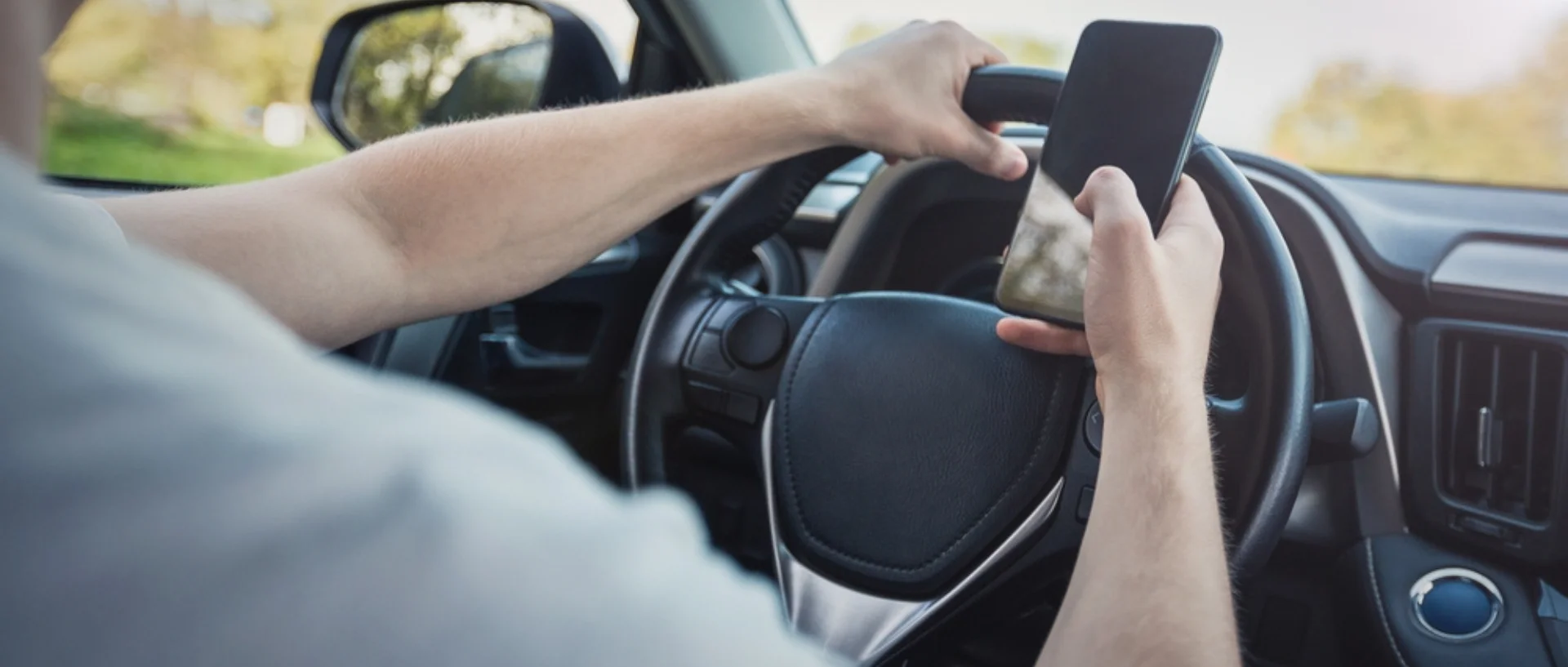
Rideshare drivers often operate under time pressure, moving between passengers during peak demand. Errors involving lane changes, quick turns, or abrupt braking remain common. Distracted driving provides another major cause of rideshare collisions. The National Highway Traffic Safety Administration, through the Indiana Criminal Justice Institute’s summary of distracted driving definitions, identifies any behavior diverting focus from safe operation, such as cell phone activity, eating, drinking, talking to people in the vehicle, or adjusting in-vehicle systems, as a distraction. Our evaluations review whether distractions influenced the Uber driver or other motorists.
The weather presents additional challenges across northern Indiana. Heavy snowfall, freezing rain, and black ice appear frequently during the winter months. These conditions reduce traction and increase stopping distances. Rideshare drivers navigating unfamiliar neighborhoods may misjudge conditions and lose control. We analyze weather reports and roadway conditions to support claims requiring environmental context.
Potholes, construction zones, and uneven pavement pose a threat to safe operation. Sudden encounters with these hazards may lead to tire blowouts or impact forces that destabilize a vehicle. Our attorneys review the roadway maintenance history and municipal records when improper maintenance contributes to the crash.
Uber collisions often result in injuries that require ongoing medical care. Passengers within the rear seat may experience abrupt forward motion, leading to whiplash, spinal strain, or soft tissue injuries across the shoulders and back. Drivers in surrounding vehicles may strike the Uber car at high speeds along major roads, such as US-31 or the Indiana Toll Road. These collisions often produce fractures, traumatic brain injuries, or spinal cord damage. Pedestrians and cyclists involved in rideshare crashes face elevated risk, as they lack the protection of a vehicle frame. Injuries may include broken bones, internal trauma, or severe lacerations.
Our attorneys document medical evaluations, radiology findings, treatment plans, therapy needs, and long-term prognosis. These records support compensation claims that reflect the full extent of physical harm. Pain management strategies, evaluations of lost earning capacity, and rehabilitation documentation all contribute to the overall assessment of damages. Thorough injury analysis helps patients secure funds for future treatment and long-term support.
Immediate steps taken following an Uber collision can significantly impact the strength of a future claim. Injured individuals should verify their health and ensure emergency services respond promptly. Uber’s safety guidance emphasizes confirming the well-being of everyone involved and contacting the police and paramedics when injuries or property damage occur. This guidance recommends saving the police report number for later use.
After addressing safety and medical concerns, injured parties should gather evidence. Photographs showing vehicle positions, skid marks, roadway hazards, traffic signals, and injuries help support claims. Names and contact information for witnesses strengthen liability arguments. We advise clients to document pain levels, medical appointments, and discussions with insurance representatives. Our firm handles communication with Uber, personal insurers, and third-party carriers to prevent misinterpretation of statements and ensure accurate representation.
Prompt medical evaluations also matter. Early treatment records help demonstrate causal links between the crash and injuries. When individuals delay medical care, insurers may argue that the injuries originated from unrelated circumstances. We instruct clients on proper claim documentation and provide guidance through each stage of the process.
Victims of Uber collisions may pursue compensation addressing medical expenses, lost wages, diminished earning capacity, property damage, and pain and suffering. In tort law, compensatory damages reflect actual losses suffered due to another party’s negligence. Cornell Law School explains that compensatory damages correspond to proven financial and personal harm. Our attorneys assess economic and non-economic damages arising from rideshare crashes.
Medical losses may include emergency treatment, diagnostic imaging, surgeries, therapy programs, medication, and long-term rehabilitation. Lost income claims typically involve pay stubs, employer statements, and professional evaluations that demonstrate a diminished work capacity. Property losses may include vehicle repairs or replacement. Clients may also seek compensation for pain, emotional distress, lifestyle limitations, and reduced enjoyment of daily activities. Our process involves gathering documentation, consulting medical and economic professionals, and presenting a thorough claim for review. We negotiate vigorously to secure compensation that reflects the true extent of the harm.
Anyone injured in a South Bend Uber collision deserves a team prepared to guide them through every stage of the legal process. At Blackburn Romey, we review evidence, examine insurance layers, and advocate for financial recovery that supports medical treatment, income replacement, and long-term well-being. Our attorneys stand ready to discuss your circumstances, explain your rights, and outline next steps. For guidance from a dedicated South Bend Uber Accident Lawyer, contact our team at 833-FOR-HELP.

Our team has combined decades of experience handling all types of injury cases, both with insurance companies and in civil court. We bring all that we know about injury law to the table in each and every case.

We have many satisfied clients who were able to move forward with their lives in a better financial position following a serious accident and injuries. We can discuss our past results with you during your free consultation.

We are dedicated to our clients and communities in Indiana. Our goal is to provide comprehensive and compassionate legal services to injured and grieving individuals. We work hard to obtain the money you need so you can focus on recovery instead of worrying about medical bills, insurance claims, or lawsuits. Learn more on our Mission and Values page.
Indianapolis Car Accident Lawyer
South Bend Car Accident Lawyer
Fort Wayne Car Accident Lawyer
Terre Haute Car Accident Lawyer
What Our Clients Are Saying About Us in South Bend, IN

I had a good experience with Blackburn & Romey. I feel Attorney Wolferd did wonderfully on my case, and Amanda, his paralegal, is amazing. Both were very patient and attentive to my concerns and questions.
We had a wonderful experience at the Granger office! Ryan and his assistant Kristi are a true blessing. They provided us with step-by-step guidance through my wife’s claim. They were excellent at communication and fought for my wife to get the compensation she deserved.
The people at Blackburn and Romey (Sarah and Frank) were very helpful to me while representing me in my accident case. Not only did they represent me well, they always gave me peace of mind as the process unfolded and showed me compassion and professionalism.
In most cases, Indiana law allows you two years from the date of the accident to file a personal injury claim. If this deadline is missed, your case may be dismissed. However, certain exceptions can extend this period, such as if the injured party is a minor, has a disability, or if other specific circumstances like incapacity apply. These factors may allow for additional time beyond the standard two-year limit.
Car accident victims may be eligible for various types of compensation, including coverage for medical expenses, lost wages, pain and suffering, property damage, and possibly punitive damages if the other party acted recklessly. The amount and types of compensation depend on injury severity and the specifics of the accident.
Determining fault in a South Bend car accident involves gathering evidence like police reports, photographs, and witness statements. Indiana follows a comparative negligence rule, meaning fault can be shared between drivers. The percentage of fault assigned to each party will directly impact the compensation you can receive.
Settling a car accident claim in South Bend can take from a few months to over a year, depending on case complexity, injury severity, insurance negotiations, and whether the case requires litigation. Each claim is unique, and timelines can vary significantly.
Indiana car accident claims are subject to specific laws, including a statute of limitations, which generally allows two years from the accident date to file a claim. Additionally, Indiana operates under a modified comparative negligence system, where you can recover damages if you are less than 51% at fault. Familiarity with these laws is vital for managing the claims process effectively.
According to the South Bend Police Department, you can request a copy of your accident report by providing specific details, including the report number, report date, and either the driver’s last name or the vehicle owner’s last name. Accident reports are available for purchase online or in person at the SBPD Records Bureau, located at 701 W. Sample St., South Bend, IN 46601. Their hours are Monday through Friday, 9:00 AM to 6:00 PM, and Saturday-Sunday, 9:00 AM to 5:00 PM. There may be a fee associated with obtaining the report, and in some cases, a Public Access Request may be required if the case is under review. For more information, contact the Records Bureau at (574) 235-9201.
In addition to strengthening your claim, a police report will demonstrate that your collision warranted a call for assistance. The report will also serve as a neutral third-party account of the accident. This information will greatly aid our settlement negotiations.
Blackburn Romey founding partner Tom Blackburn graduated with honors receiving a degree from Indiana University at the Robert H. McKinney School of Law. Initiating his legal career in 1977, he has been active in practicing law and currently serves as a member of the Indiana State Bar Association on the Ethics and Advertising Committees, the American Bar Association, the American Association for Justice, as a board member at the Indiana Trial Lawyers Association, and as an appointed member of the Executive Committee for the State of Indiana for the National Trial Lawyers Association.

This page has been written, edited, and reviewed by a team of legal writers following our comprehensive editorial guidelines. This page was approved by Founding Partner, Tom Blackburn, who has more than 47 years of legal experience, including over 39 years specializing as a personal injury attorney.

