Motorcycle Rear-Ended: What to Do and Who May Be Liable

Jul 10

Key Takeaways

  • Motorcyclists struck from behind face serious injury risks because bikes offer no structural protection in a crash.
  • Distracted driving, tailgating, and speeding are among the most common causes of rear-end motorcycle collisions.
  • Head injuries, spinal cord damage, and fractures are frequent outcomes when a motorcyclist is rear-ended.
  • The following driver is typically liable, though Indiana’s comparative fault rules can affect final compensation.
  • Prompt medical care and early evidence preservation significantly strengthen an Indiana motorcycle rear-end claim.

Being motorcycle rear-ended at a stoplight or in slow-moving traffic can upend a rider’s life in seconds. At Blackburn Romey, we work with injured Indiana motorcyclists who face this reality, and the consequences are rarely minor. Motorcycles offer riders practically no protective structure in a crash, meaning even a collision at moderate speed can launch a rider from the bike or trap them beneath the striking vehicle. That absence of a crumple zone, the buffer built into cars to absorb impact energy, is what makes rear-end crashes so uniquely dangerous for riders. Understanding what caused the crash, who bears responsibility, and what options exist under Indiana law are the questions that shape every case from the start.

Contact a Motorcycle Accident Lawyer Near You

How Rear-End Motorcycle Accidents Happen

Rear-end collisions involving motorcycles follow patterns that repeat across Indiana roads, from highway on-ramps to congested city intersections. The physics rarely favor the rider, and the circumstances leading to impact are often preventable.
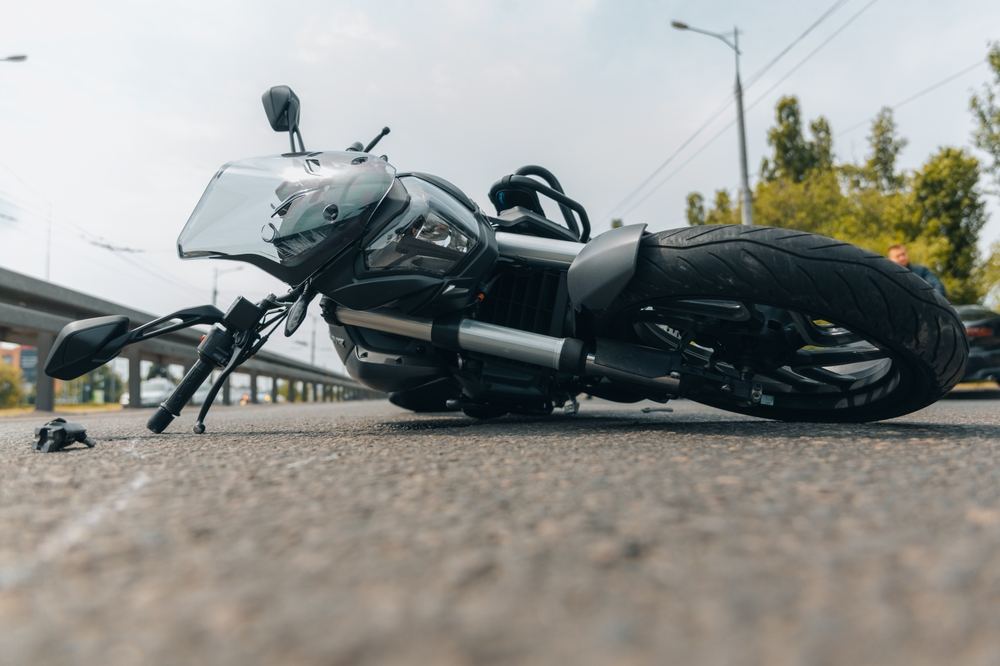
motorcycle rear ended

Common Causes of Rear-End Collisions Involving Motorcycles

Several behaviors consistently appear in the aftermath of these crashes:

  • Distracted Driving: A driver looking at a phone, adjusting a navigation system, or reaching for something in the vehicle may not register a stopped or slowing motorcycle until impact is unavoidable.
  • Following Too Closely: Tailgating eliminates the stopping distance a driver needs when traffic slows suddenly. Motorcycles can decelerate faster than many drivers expect.
  • Speeding: According to the Indiana Criminal Justice Institute’s Indiana Crash Facts 2024 Report, motorcycle drivers were among the most likely vehicle operators to have been speeding in collisions, at 12 percent in both 2024 and 2023. Speed compounds stopping distance and collision force simultaneously.
  • Failure to Notice Motorcycles: As the National Highway Traffic Safety Administration notes, a motorcycle’s smaller size relative to most motor vehicles may reduce its visibility to other drivers and make it more vulnerable in a collision. A rider who is simply harder to see in traffic is already at a disadvantage before any driving error occurs.

Why Rear-End Crashes Are More Dangerous for Motorcyclists

A car absorbs rear-end impact through its frame, bumper, and engineered crumple zones. A motorcycle has none of those features. The rider absorbs the force directly, often being thrown forward or ejected entirely.

Injuries and Long-Term Impact

The injuries that follow a motorcycle rear-ended collision tend to be severe and, in many cases, permanent:

  • Traumatic Brain Injury: Even with a helmet, violent forward momentum can cause serious head trauma. Without one, the risk increases substantially.
  • Spinal Cord Damage: Compression or fracture of the vertebrae during impact can result in partial or complete paralysis, altering every aspect of a rider’s daily life.
  • Fractures: Hands, wrists, arms, and legs absorb impact when a rider instinctively extends to break a fall or contacts the pavement after ejection.
  • Road Rash and Soft Tissue Damage: Severe abrasion injuries from sliding across pavement can require surgical intervention and leave lasting scarring.

Recovery from these injuries often extends for months or years, with ongoing medical costs, rehabilitation demands, and lost earning capacity that do not resolve quickly.

Important information about What Happens if a Teen Causes a Motorcycle Accident?

Who May Be Liable in a Motorcycle Rear-End Accident

Liability in a rear-end collision generally points toward the driver who failed to stop in time. Indiana law requires drivers to maintain a safe following distance and pay reasonable attention to traffic conditions ahead.

When the Following Driver Is at Fault

When a driver strikes a motorcyclist from behind, the conduct that caused the collision often constitutes negligence, meaning the driver breached a duty of care owed to others on the road. That breach, combined with documented injuries and damages, forms the basis of a claim. Indiana follows a modified comparative fault rule, which means a rider found to share some degree of responsibility will see compensation reduced proportionately, though recovery remains available as long as the rider’s fault does not exceed that of the other parties combined.

Steps to Take After Being Rear-Ended on a Motorcycle

Actions taken at the scene and in the days following the crash directly affect both recovery and the strength of a claim:

  • Seek Medical Attention Immediately: Adrenaline can mask injury severity. Internal trauma, concussions, and spinal stress may not produce obvious symptoms for hours. A prompt evaluation creates the medical record that connects injuries to the collision.
  • Document the Scene: Photographs of vehicle positions, road conditions, skid marks, traffic signals, and visible injuries preserve details that disappear quickly.
  • Exchange Information: Collect the other driver’s name, contact details, license plate, and insurance information without discussing fault at the scene.
  • Avoid Recorded Statements: Insurance adjusters often contact riders within days of a crash. Statements made before injuries are fully documented can be used to minimize claim value.
  • Preserve the Motorcycle: Do not authorize repairs until the damage has been documented and, ideally, reviewed by legal counsel.

Compensation Available After a Motorcycle Rear-End Accident

Indiana personal injury law allows injured riders to pursue compensatory damages intended to address the scope of harm caused by another driver’s negligence. Recoverable losses in a motorcycle rear-ended claim typically include:

  • Medical Expenses: Emergency treatment, hospitalization, surgeries, rehabilitation, and anticipated future care costs.
  • Lost Wages: Income missed during recovery and reduced earning capacity when injuries affect long-term employment.
  • Pain and Suffering: Physical discomfort, emotional distress, and the ongoing limitations that accompany serious injury.
  • Property Damage: Repair or replacement costs for the motorcycle and any gear damaged in the collision.

Because injuries can evolve after an initial diagnosis, pursuing settlement before reaching maximum medical improvement may result in compensation that falls short of actual long-term needs.

When It May Be Important to Speak With a Motorcycle Accident Lawyer

After a serious rear-end collision, insurance companies move quickly, and early decisions carry lasting consequences. At Blackburn Romey, our team works with injured Indiana riders to preserve evidence, evaluate available coverage, and build claims grounded in documented facts. Call us at 260-422-4400 to speak with our team about your situation and understand what options may be available to you.

Tom Blackburn

Blackburn Romey founding partner Tom Blackburn graduated with honors receiving a degree from Indiana University at the Robert H. McKinney School of Law. Initiating his legal career in 1977, he has been active in practicing law and currently serves as a member of the Indiana State Bar Association on the Ethics and Advertising Committees, the American Bar Association, the American Association for Justice, as a board member at the Indiana Trial Lawyers Association, and as an appointed member of the Executive Committee for the State of Indiana for the National Trial Lawyers Association.

📚 Get AI-powered insights from this content:

Personal Injury & Wrongful Death is all we do

Get In Touch With Us

#

This page has been written, edited, and reviewed by a team of legal writers following our comprehensive editorial guidelines. This page was approved by Founding Partner, Tom Blackburn, who has more than 47 years of legal experience, including over 39 years specializing as a personal injury attorney.
