A driver who leaves a crash scene without a citation often assumes the matter has ended. That assumption catches many Indiana motorists off guard when a citation arrives in the mail days later. At Blackburn Romey, we work with drivers across Indiana who ask can you get a ticket days after an accident after walking away believing none was coming. Traffic investigations often continue well past the initial response, and a delayed citation can affect a driving record and a pending injury claim.
Contact a Car Accident Lawyer Near You
A driver can receive a citation days or even weeks after a crash. Officers do not always issue a traffic ticket at the scene, and further investigation can lead to a citation being issued later. An officer responding to a crash first handles medical needs and traffic control, and a citation sometimes waits until those priorities are addressed. When fault is clear, such as a driver admitting it on the spot, an officer may issue a citation immediately. When the facts are less obvious, the officer needs more time, which is why so many drivers search can you get a ticket days after an accident once an unexpected citation arrives.
A citation issued well after a crash usually reflects an investigation that took longer than the initial response allowed. Officers responding to a serious wreck must first address injuries, manage the roadway, and gather basic information from each driver, leaving little room for a thorough review of fault. Under Indiana Code 9-26-2-1, a law enforcement officer must investigate any crash resulting in injury, death, or at least two thousand five hundred dollars in property damage, and confirm that each driver met their reporting duties. That statutory duty gives officers reason to keep reviewing a case well beyond the day of the crash.
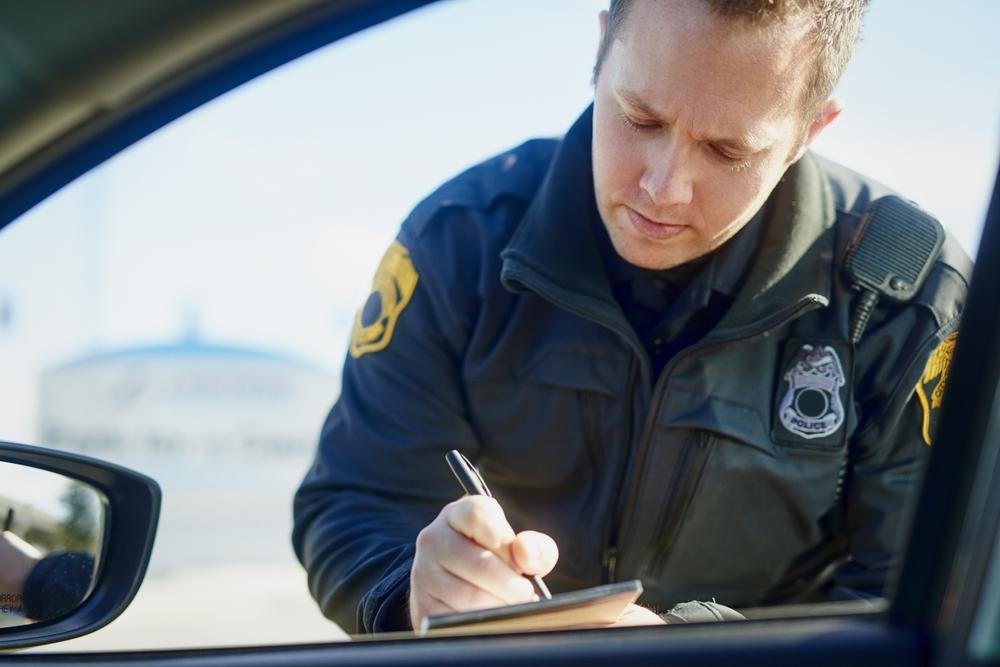
Some crashes require officers to look beyond what they observed firsthand. A witness may come forward days later with new details, or a nearby business may need time to produce surveillance footage. Officers sometimes request accident reconstruction analysis when vehicle positions, skid marks, or damage patterns leave the sequence of events unclear. Additional crash or medical reports filed later can also shift how an officer views fault, particularly when injuries turn out more serious than first thought. Each of these steps can delay a citation while giving the decision a stronger factual basis.
Traffic citations issued after a crash generally connect directly to the conduct that caused the collision. An officer reviewing new evidence looks for a specific violation tied to how the vehicles came together, rather than issuing a citation without a documented basis. The violation cited often signals which driver the investigation points to as the cause.
Citations issued in the days following a crash frequently involve speeding, failure to yield the right of way, reckless driving, or following too closely. Distracted driving and disregarding a traffic signal also appear once an investigation confirms what happened at the moment of impact. A driver cited for one of these violations should understand that the citation reflects the officer’s read of the evidence gathered, not a final legal conclusion. Multiple drivers in the same collision can each receive a separate citation when the investigation supports it.
A traffic citation carries weight, but it does not settle the question of legal liability on its own. Receiving a ticket reflects an officer’s judgment that a specific law was broken, while liability in a personal injury claim depends on a broader review of negligence, causation, and damages.
A citation and a civil liability finding serve different purposes and rely on different standards of proof. Indiana follows a modified comparative fault framework under Indiana Code 34-51-2-5, which reduces a claimant’s compensation in proportion to their own share of fault rather than barring recovery outright. A driver who receives a citation may still recover damages if the other driver’s conduct contributed to the crash, and a driver who avoids one is not automatically free of responsibility. Insurance adjusters and courts weigh citations alongside witness statements, medical records, and other proof before reaching conclusions about fault.
An insurance adjuster reviewing a claim often treats a citation as one piece of evidence among several, and a citation issued weeks after a crash can shift how an adjuster approaches liability. When a citation arrives after settlement talks have started, it can prompt an insurer to revisit an earlier fault determination. A driver who disputes a citation should raise that dispute early, since an unresolved citation can otherwise carry more weight in a claim than the facts support. Documentation gathered during the delayed investigation, including any additional reports or footage, often becomes relevant to how the claim is valued.
A citation that arrives days or weeks after a crash does not need to derail a claim already underway. Reviewing the citation and how it connects to Indiana’s fault rules helps a driver respond with accurate information rather than guesswork. Blackburn Romey works with Indiana drivers who have questions after receiving a delayed citation, including how can you get a ticket days after an accident situations may affect an existing injury claim. Call us at 833-FOR-HELP to talk through a recent citation and the options available for the claim.
Blackburn Romey founding partner Tom Blackburn graduated with honors receiving a degree from Indiana University at the Robert H. McKinney School of Law. Initiating his legal career in 1977, he has been active in practicing law and currently serves as a member of the Indiana State Bar Association on the Ethics and Advertising Committees, the American Bar Association, the American Association for Justice, as a board member at the Indiana Trial Lawyers Association, and as an appointed member of the Executive Committee for the State of Indiana for the National Trial Lawyers Association.

This page has been written, edited, and reviewed by a team of legal writers following our comprehensive editorial guidelines. This page was approved by Founding Partner, Tom Blackburn, who has more than 47 years of legal experience, including over 39 years specializing as a personal injury attorney.

