Motorists across Indiana often feel uncertain during the days after a collision, especially once neck, back, or shoulder stiffness begins to rise. Many people want clear guidance on how long you should be sore after a car accident, since recovery varies based on injury type and prompt medical care. Blackburn Romey supports injured Hoosiers through these concerns and emphasizes early evaluation, symptom tracking, and proper documentation. Minor soreness often improves within several days, while more complex injuries like whiplash may linger for weeks and require medical attention when symptoms fail to improve.
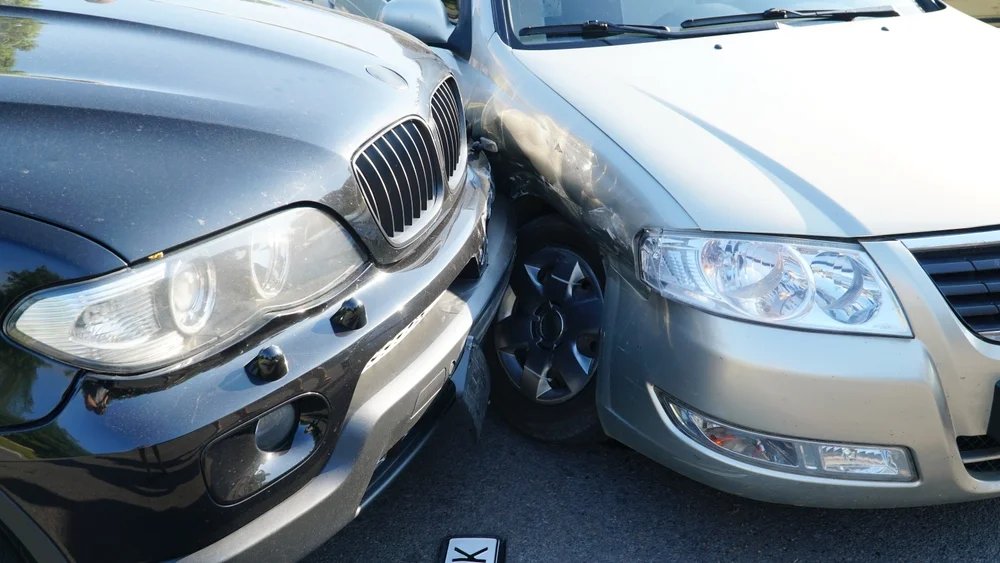
Soreness frequently develops because sudden force during a collision strains soft tissue, jolts the spine, or produces subtle damage that grows more noticeable once adrenaline fades. Muscles often tense during stressful events, so pain usually rises during the hours after a crash rather than immediately at the scene. Many Indiana drivers describe heavy stiffness across the neck, shoulders, and lower back, along with headaches or difficulty turning the head. Professionals recognize these symptoms as early indicators of soft-tissue trauma, and early assessment helps prevent small injuries from developing into chronic conditions. Rephrased medical summaries also note that soreness from minor collisions often lifts within days, while more severe strains may last through a six-week recovery window.
These forces often mirror the dynamics seen in the top causes of single vehicle crashes, where sudden impact and loss of control place intense stress on the body.
Some discomfort after a collision falls within a predictable range. Mild stiffness, tenderness along the spine, or temporary headaches commonly appear as the body responds to inflammation. Hoosiers often feel discomfort when stretching or rotating the neck, and some soreness may increase each morning before easing later in the day.
However, severe or escalating pain indicates a potential medical emergency. Worsening headaches, sharp back discomfort, limb weakness, dizziness, numbness, or an inability to move normally create a strong need for immediate care. Pain that persists for several days, spreads unpredictably, or disrupts daily activities warrants evaluation, as delayed treatment can compromise both long-term health and any future compensation claim. Many Indiana motorists who ask how long should you be sore after a car accident learn that ignoring symptoms often encourages deeper injuries to develop.
Contact a Car Accident Lawyer Near You
Rear-end collisions frequently leave Indiana motorists with whiplash or similar neck strains caused by rapid back-and-forth motion, which leads to torn muscles or stretched ligaments. The Mayo Clinic notes that whiplash often stems from rear-end crashes, sports collisions, or other forceful events, and while many people improve within weeks, some experience lingering neck pain or related complications.
Soft-tissue injuries, including strained muscles or damaged ligaments, often produce extended soreness because inflammation limits mobility. These injuries heal slowly if physical activity is resumed too soon. Back discomfort from spinal force, deep bruising, or herniated discs can result in pain lasting several weeks.
Concussions and related head injuries also contribute to ongoing soreness. Some drivers experience headaches, neck tightness, or pressure in the upper shoulders after even mild collisions. Psychological trauma may influence recovery as well, since stress often increases muscle tension and slows the healing process.
Individuals frequently ask how long you should be sore after a car accident because recovery time helps set expectations for both healing and legal claims. Soreness usually fades within a few days. Moderate soft-tissue injuries typically improve over two to three weeks, although some discomfort may persist for up to six weeks. Pain that shows little or no improvement after this window usually signals a deeper issue that requires diagnostic imaging or specialized treatment.
Drivers should track symptom patterns carefully. Morning stiffness or occasional aching often falls within predictable healing timelines. Persistent pain, difficulty standing or sitting without discomfort, or symptoms that suddenly intensify require a professional assessment. Many injured drivers experience significant relief once they follow medical instructions, adjust their daily activities, and rest adequately.
Lingering discomfort raises concern, especially when symptoms show no meaningful improvement over time. Pain that persists beyond six weeks often reflects a more involved injury, and an increasing pattern may indicate nerve compression, disc herniation, or joint instability. Early action helps prevent long-term complications. Indiana car crash victims experiencing ongoing soreness should document their symptoms, daily limitations, and how discomfort affects their work or home life. This documentation aids medical evaluations and potential damage claims.
Delays in treatment can create additional challenges because insurers often argue that untreated conditions stem from unrelated causes. Appropriate care supports healing and helps establish a clear connection between a collision and the injuries that follow.
Prompt medical treatment provides critical value. Hoosiers who undergo evaluation shortly after a collision often receive faster diagnoses and more effective treatment plans. Medical professionals can identify subtle injuries that may not be apparent during the first hours after impact. A documented timeline of treatment, imaging results, and physician observations helps establish a strong foundation for an Indiana car accident claim.
Following medical recommendations plays a key role in recovery. Physical therapy, guided exercises, and diagnostic follow-ups help prevent long-term complications. People who miss appointments or disregard physician advice often face challenges with insurance reviewers who question the seriousness of symptoms. Photographs, medical receipts, and written observations all help build a persuasive claim.
Indiana follows a modified comparative fault rule. Under Indiana Code 34-51-2-6, a claimant loses the right to recover compensation when personal contributory fault exceeds the combined fault of all other persons. This legal standard means that injured motorists benefit from legal representation when insurers question liability or attempt to reduce compensation by highlighting treatment delays.
Blackburn Romey assists injured drivers in Indiana who struggle with ongoing soreness or worsening symptoms after a collision. Our team can review medical records, evaluate potential compensation, and explain how pain progression influences an Indiana injury claim. Call us at 260-422-4400 for a free consultation. We provide clear direction, protect your rights, and help you pursue recovery with confidence.
Blackburn Romey founding partner Tom Blackburn graduated with honors receiving a degree from Indiana University at the Robert H. McKinney School of Law. Initiating his legal career in 1977, he has been active in practicing law and currently serves as a member of the Indiana State Bar Association on the Ethics and Advertising Committees, the American Bar Association, the American Association for Justice, as a board member at the Indiana Trial Lawyers Association, and as an appointed member of the Executive Committee for the State of Indiana for the National Trial Lawyers Association.

This page has been written, edited, and reviewed by a team of legal writers following our comprehensive editorial guidelines. This page was approved by Founding Partner, Tom Blackburn, who has more than 47 years of legal experience, including over 39 years specializing as a personal injury attorney.

