Every winter, common trucking accidents during holiday deliveries turn Indiana highways into danger zones as the holiday shopping surge pushes thousands of exhausted drivers onto our roads, racing against seemingly impossible deadlines. Imagine massive semi-trucks driving through snow and ice at midnight, drivers battling fatigue after 12-hour shifts, all while your family drives home from a holiday gathering on the same stretch of highway.
The pattern is both predictable and preventable, as common trucking accidents during holiday deliveries stem from heavy traffic congestion, exhausted drivers, dangerous weather conditions, and heightened delivery demands. This combination increases accident risks when the push for on-time deliveries leads to problems such as excessive speed, driver distraction, and compromised decision-making. At Blackburn Romey, we understand the heartbreaking reality behind these crashes, where families see their holidays devastated by collisions that never should have happened, and we’re here to help.
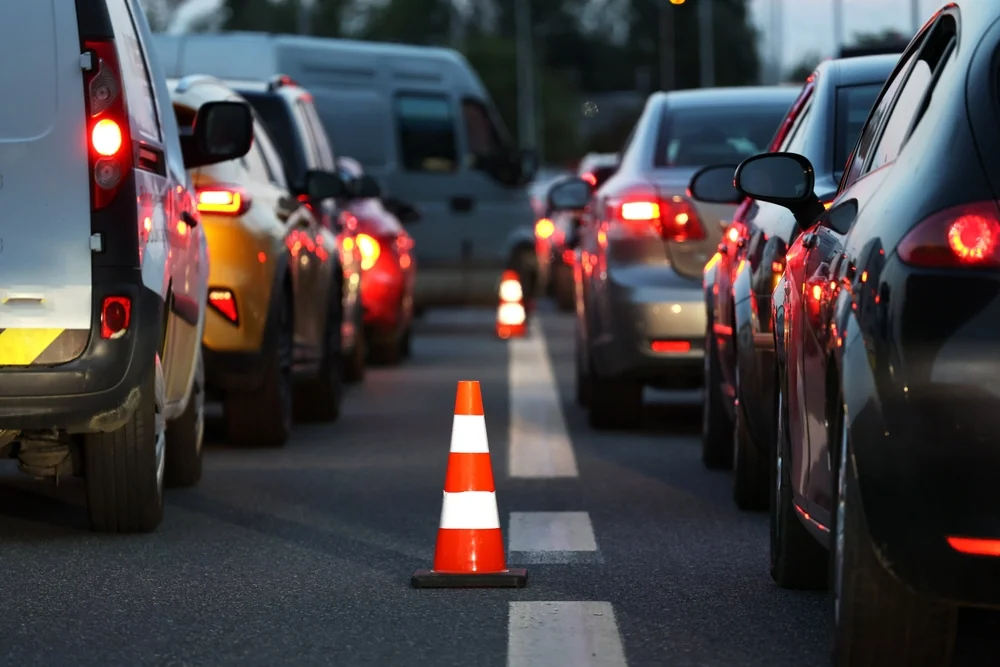
Every December, more commercial trucks fill highways as companies rush to meet the growing holiday demand, and local and national carriers face tight delivery windows, unpredictable winter weather, and congested roads, all of which contribute to increased crash rates.
Fatigue and scheduling pressure often play a key role in these incidents, especially when long hours and limited rest make it harder for drivers to stay alert. Delays, traffic congestion, and icy conditions only intensify those risks.
According to the National Safety Council (NSC), all drivers can help make roads safer during the holidays by practicing defensive driving, wearing seatbelts, and designating a sober driver or arranging for alternate transportation. This reminder is especially important for commercial fleets and delivery drivers who spend long hours navigating Indiana’s busiest routes.
Truck drivers often push through long shifts to meet customer deadlines, sacrificing rest and focus as delivery demands surge. During the busy holiday season, many complete consecutive routes with little time to recover, making it harder to stay alert behind the wheel and react to sudden hazards.
Some companies add pressure by setting tight delivery targets that lead drivers to speed or skip breaks. When combined with black ice, low visibility, or snow-covered roads, even a minor mistake can lead to a serious pileup on Indiana highways.
Fatigue affects both long-haul and local drivers alike, especially those managing constant stops in crowded cities while working under intense delivery pressure.
Contact a Car Accident Lawyer Near You
The range of common trucking accidents during holiday deliveries is broad, but several patterns appear consistently.
These are some of the most frequent accident types seen during the holiday season:
Each of these crash types highlights how the mix of urgency, fatigue, and hazardous conditions makes holiday trucking far more dangerous.
Several underlying causes compound the risk of holiday trucking accidents, starting with delivery demands that increase dramatically while rest periods are cut. When shorter daylight hours are added to the mix, drivers face a dangerous combination that makes mistakes almost inevitable.
Weather conditions in December and January don’t help either, as freezing rain, snow, and fog limit visibility and traction across the state, which means that when you’re operating an 80,000-pound vehicle, even a small error in braking or changing lanes can turn deadly.
Then there’s the distraction problem, where drivers constantly switch between delivery apps, dispatch messages, and GPS systems while trying to navigate congested highways, and those few seconds looking at a screen instead of the road are often all it takes to lose control.
Mechanical neglect makes things worse since some companies skip routine maintenance to keep their fleets moving during the busy season, meaning worn tires and faulty brakes don’t take holidays off, and when inspections get delayed, the risk of a serious crash increases even further.
Many drivers also wonder what to do after a car accident on holiday in Indiana, especially when a crash involves a commercial truck during peak travel seasons.
Knowing what to do immediately after a truck crash may make a difference in protecting your safety and your legal rights. Under Indiana Code 9-26-1-1, the driver of any vehicle involved in an accident must stop as close to the scene as possible without obstructing traffic unnecessarily.
After ensuring everyone is out of immediate danger, follow these steps:
These actions not only preserve evidence but also strengthen your position should a legal claim arise.
Please read: Who Is Legally Responsible in a Truck Accident in Indiana?
Holiday deliveries should never compromise your safety on the roads. When common trucking accidents during holiday deliveries result in serious injuries, you need legal representation to hold negligent parties accountable.
At Blackburn Romey, we guide clients through every stage of recovery, working to protect their rights and explore all available legal options. Call us today at 833-FOR-HELP for a consultation.
Blackburn Romey founding partner Tom Blackburn graduated with honors receiving a degree from Indiana University at the Robert H. McKinney School of Law. Initiating his legal career in 1977, he has been active in practicing law and currently serves as a member of the Indiana State Bar Association on the Ethics and Advertising Committees, the American Bar Association, the American Association for Justice, as a board member at the Indiana Trial Lawyers Association, and as an appointed member of the Executive Committee for the State of Indiana for the National Trial Lawyers Association.

This page has been written, edited, and reviewed by a team of legal writers following our comprehensive editorial guidelines. This page was approved by Founding Partner, Tom Blackburn, who has more than 47 years of legal experience, including over 39 years specializing as a personal injury attorney.

