Every summer, Indiana parents ask the same question after another headline about a child left in a hot vehicle: is it illegal to leave a child in the car? At Blackburn Romey, we hear this question often, because the answer shapes how families plan even a short errand. A quick pharmacy stop or a daycare drop-off can turn into a life-altering event, and Indiana law treats that risk seriously, even though no statute is written for this exact scenario.
No federal law addresses this issue directly, and only around twenty states have passed a law that specifically makes it illegal to leave a child unattended in a vehicle. Even in states without a law like that, caregivers can still face serious criminal charges such as neglect or endangerment, no matter how old the child is.
Contact a Car Accident Lawyer Near You
Before you ask yourself, “Is it illegal to leave a child in the car? You must understand certain points. A parked car rarely remains a safe, neutral space for long. Rising temperatures, moving vehicle parts, and a child’s natural curiosity each introduce their own danger, and none of them are limited to hot summer afternoons.
Heatstroke is usually the first danger that comes to mind, but it is not the only way an unattended vehicle can turn dangerous. According to the National Highway Traffic Safety Administration, these are the most common risks:
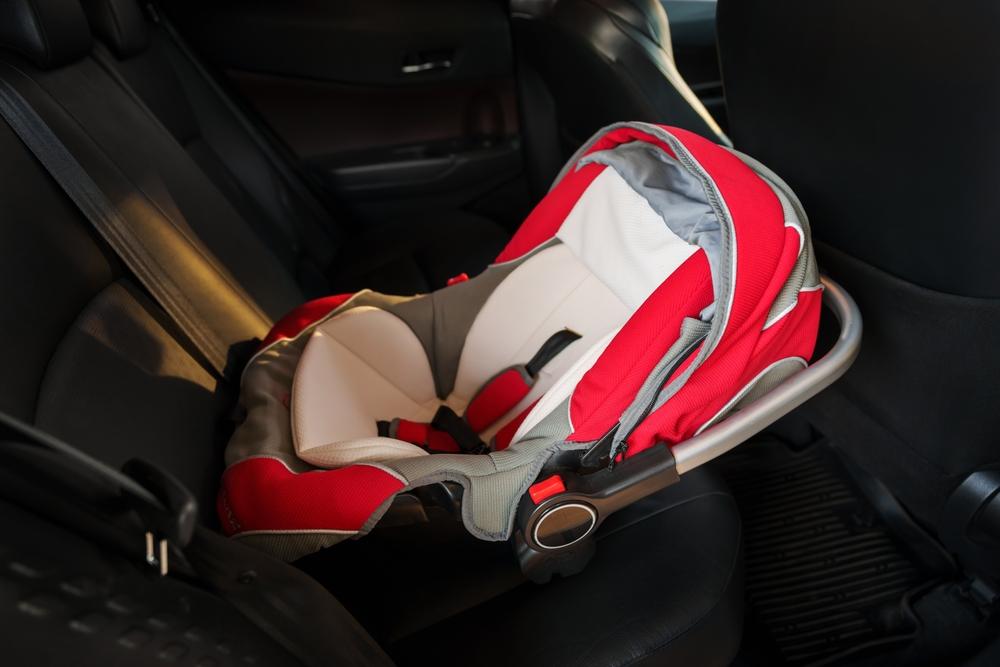
Indiana does not have one specific law that names “leaving a child in a car” as its own offense, unlike some other states. Instead, prosecutors typically rely on Indiana’s broader child protection laws, most often Indiana Code 35-46-1-4, the neglect of a dependent statute. This law applies to a person who has care of a child and places that child in a situation endangering the child’s life or health, but only when the person acts knowingly or intentionally, meaning on purpose or with clear awareness of the risk, not simply by accident. The charge starts at Level 6, Indiana’s least serious felony level. It can rise to Level 5 if the child suffers bodily injury, Level 3 if the injury is serious, and Level 1, the state’s most serious felony level, if a person at least 18 years old causes the death of a dependent younger than 14.
Indiana Code 35-46-1-4.1, the reckless supervision statute, is sometimes mentioned alongside these cases as well, but it applies specifically to licensed and unlicensed child care providers, not to parents generally. That offense starts as a Class B misdemeanor and can rise to a Class A misdemeanor if a child suffers serious bodily injury, or to a Level 6 felony if the child dies. A parent who leaves a child unattended in a vehicle would typically be evaluated under the neglect statute described above instead.
Because Indiana relies on that broader neglect law rather than a dedicated “hot car” statute, how a case is charged often comes down to specifics like how long the child was left alone, the outdoor temperature, and the child’s age.
Important information about What Evidence Helps a Car Accident Claim in Indiana?
The consequences of leaving a child alone in a car in Indiana can extend well beyond a single charge. Depending on the circumstances, a case can involve any of the following:
If your family is facing questions about “Is it illegal to leave a child in the car?, a negligence case, CHINS case, or an injury connected to a child left unattended in a vehicle, Blackburn Romey can help you understand what Indiana law requires and what options may be available to protect your family.
If your child was injured or died as a result of someone else’s neglect, you may be able to seek compensation from the person responsible. Contact our Indiana personal injury lawyers today and let Blackburn Romey advise you on your available legal options.
Blackburn Romey founding partner Tom Blackburn graduated with honors receiving a degree from Indiana University at the Robert H. McKinney School of Law. Initiating his legal career in 1977, he has been active in practicing law and currently serves as a member of the Indiana State Bar Association on the Ethics and Advertising Committees, the American Bar Association, the American Association for Justice, as a board member at the Indiana Trial Lawyers Association, and as an appointed member of the Executive Committee for the State of Indiana for the National Trial Lawyers Association.

This page has been written, edited, and reviewed by a team of legal writers following our comprehensive editorial guidelines. This page was approved by Founding Partner, Tom Blackburn, who has more than 47 years of legal experience, including over 39 years specializing as a personal injury attorney.

